Gwen J. Zittoun
she/her/hers
Counsel, Ombuds and Pro Bono Coordinator
Hartford, CT
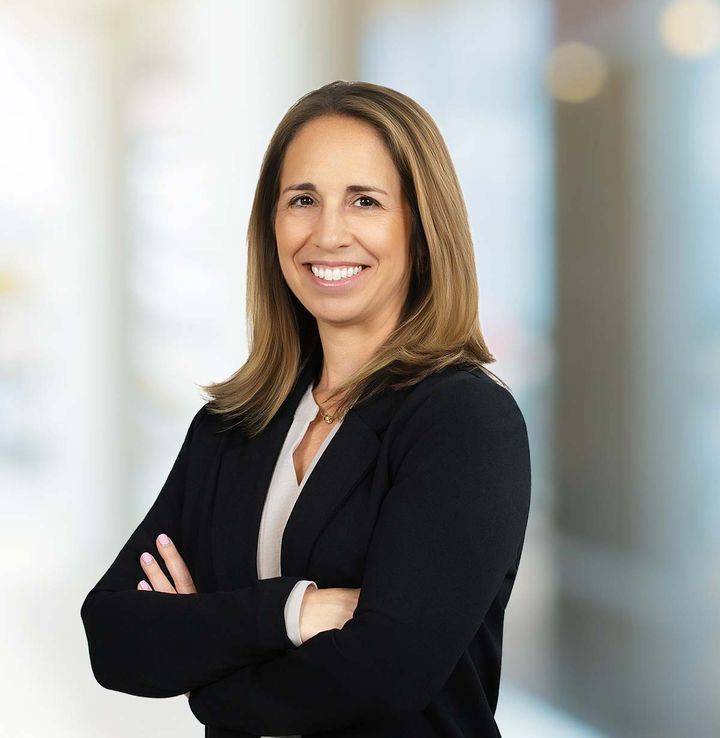
Gwen Zittoun serves as the firm's Ombuds and Pro Bono Coordinator. A member of Shipman’s robust School Law Practice Group, Gwen represents the firm’s 100+ boards of education and public school districts in legal matters related to student data privacy and confidentiality, contracts and board policies, Title IX compliance, special education, and general education matters. Serving in a counselor role, Gwen brings transparency and collaboration to the client relationship. She focuses on finding solutions to common and complex problems, while helping schools avoid costly litigation. Gwen spends considerable time and effort educating her clients to ensure that they are able to solve the legal and business challenges they confront in an ever-changing education landscape.
Gwen’s practice focuses significantly on Title IX compliance in the K-12 environment, as well as colleges and universities. Gwen frequently assists clients by providing analysis of the procedural and substantive aspects of implementing the Title IX federal regulations, as well as policy development, review and revision. Gwen regularly attends seminars on the topic of Title IX, has received ATIXA training, and has provided mandatory Title IX training to numerous clients.
Gwen takes a proactive approach representing schools that, with the advent of apps, online programs, and distance learning, find themselves navigating a fast-paced, digital landscape. Gwen simplifies client adoption of new software and apps, by analyzing and drafting vendor contracts and model documents to ensure compliance with federal law and Connecticut’s nuanced Student Data Privacy Law. She develops model contracts for onboarding large vendors, service providers and apps that operate on a national scale and smaller providers of educational software that collect student data for educational and extracurricular purposes.
Credentials
Education
- Albany Law School, J.D., 2004, summa cum laude
- Emory University, B.A., 2000
Bar Admissions
- New York
- Connecticut, 2004
Court Admissions
- U.S. District Court, Southern District of NY, 2006
- U.S. District Court, District of CT, 2006